
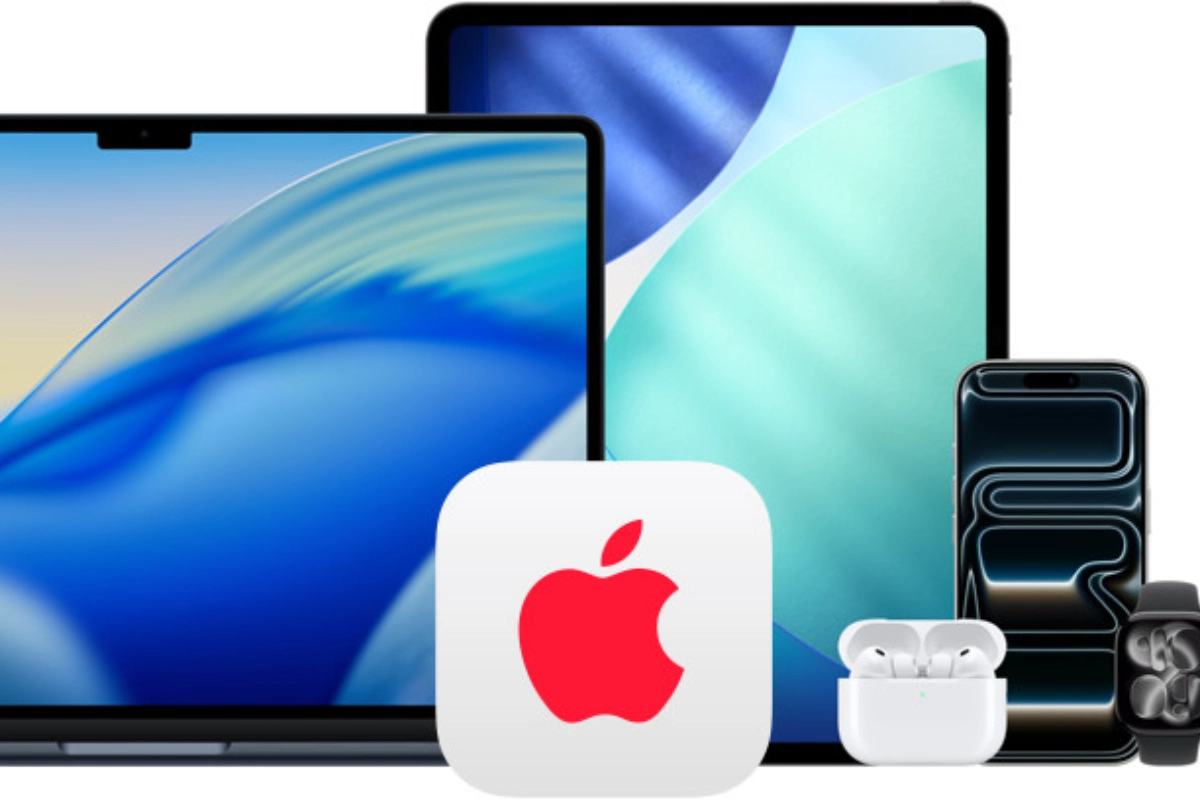
Buying a laptop used to be a fairly straightforward decision. Most people simply chose the newest model they could afford, assuming it would provide the best experience and last the longest. Today, however, buying habits are changing. Rising technology prices, greater awareness of sustainability and improvements in the refurbishment industry have encouraged many consumers to look beyond brand-new devices.
As a result, refurbished Apple products have become an increasingly popular option for students, professionals and home users alike. Rather than seeing refurbished technology as a compromise, many buyers now view it as a practical way to access premium hardware without paying premium prices.
One of the biggest reasons for this shift is the longevity of Apple devices. MacBooks are widely recognised for their solid construction, reliable performance and long software support. Unlike some laptops that begin to feel outdated after only a few years, many MacBooks continue performing well long after their original purchase date. That durability means they often have a significant second life, making refurbishment a realistic alternative rather than simply a budget option.
Price is naturally one of the biggest attractions. A new laptop represents a considerable investment, particularly for those who need higher specifications. Buying refurbished allows many people to purchase a more capable machine than they could otherwise afford. Instead of settling for the entry-level version of a brand-new model, buyers may find they can purchase a device with more storage, additional memory or a faster processor while staying within the same budget.
Another important factor is confidence. Years ago, some people associated refurbished electronics with unreliable second-hand products, but expectations have changed considerably. Professional refurbishment typically involves thorough testing, cleaning, replacement of faulty components where necessary and quality inspections before the device is offered for sale. This provides buyers with a far greater level of reassurance than purchasing privately from an unknown seller.
The growing popularity of remote working has also influenced buying decisions. Many households now require multiple computers rather than just one. Parents working from home, children studying online and family members running small businesses all compete for access to technology. Purchasing refurbished equipment often allows families to equip everyone with capable devices while keeping overall spending under control.
Environmental awareness has become another major influence. Every laptop that remains in use for several additional years reduces demand for newly manufactured devices and helps minimise electronic waste. Producing computers requires significant quantities of raw materials and energy, so extending the lifespan of existing products can contribute to a more sustainable approach to technology ownership.
For buyers comparing their options, a refurbished MacBook often represents an attractive balance between performance, reliability and affordability. Rather than sacrificing quality, many people discover they can purchase a device that comfortably meets their needs while avoiding the higher cost associated with buying new.
Changing attitudes towards ownership have also played a role. Consumers are increasingly comfortable buying pre-owned vehicles, refurbished smartphones and professionally restored furniture. Technology has gradually followed the same trend, with refurbished laptops becoming far more widely accepted than they were a decade ago. As confidence grows, many buyers now consider refurbished products as part of their normal purchasing process rather than treating them as a last resort.
Software support also strengthens the appeal of Apple devices in the refurbished market. Many older MacBooks continue receiving operating system updates for years, allowing owners to access modern features and security improvements without replacing their computers as frequently. This extended support helps ensure that refurbished devices remain useful for a considerable period after purchase.
There is also the question of value for money. Technology evolves quickly, but not every improvement dramatically changes the experience for everyday users. Someone whose work mainly involves emails, web browsing, spreadsheets, video calls and document editing may notice little practical difference between a recent MacBook and the latest release. For these users, paying substantially more for the newest model may not always represent the best use of their budget.
Businesses are contributing to the growth of the refurbishment market as well. Organisations regularly replace employee laptops as part of planned upgrade cycles, even when many of those devices remain in excellent working order. Refurbishment gives these machines a second life, making high-quality Apple hardware available to individuals and smaller businesses that may otherwise have found it difficult to justify the original purchase price.
Ultimately, the growing demand for refurbished Apple devices reflects a broader change in how consumers think about technology. Buyers are placing greater emphasis on long-term value, sustainability and practical performance rather than simply owning the latest model. As refurbishment standards continue to improve and confidence in professionally restored devices grows, it is likely that more people will view refurbished technology not as an alternative to buying new, but as the smarter purchasing decision. https://tech.trade/refurbished-macbooks