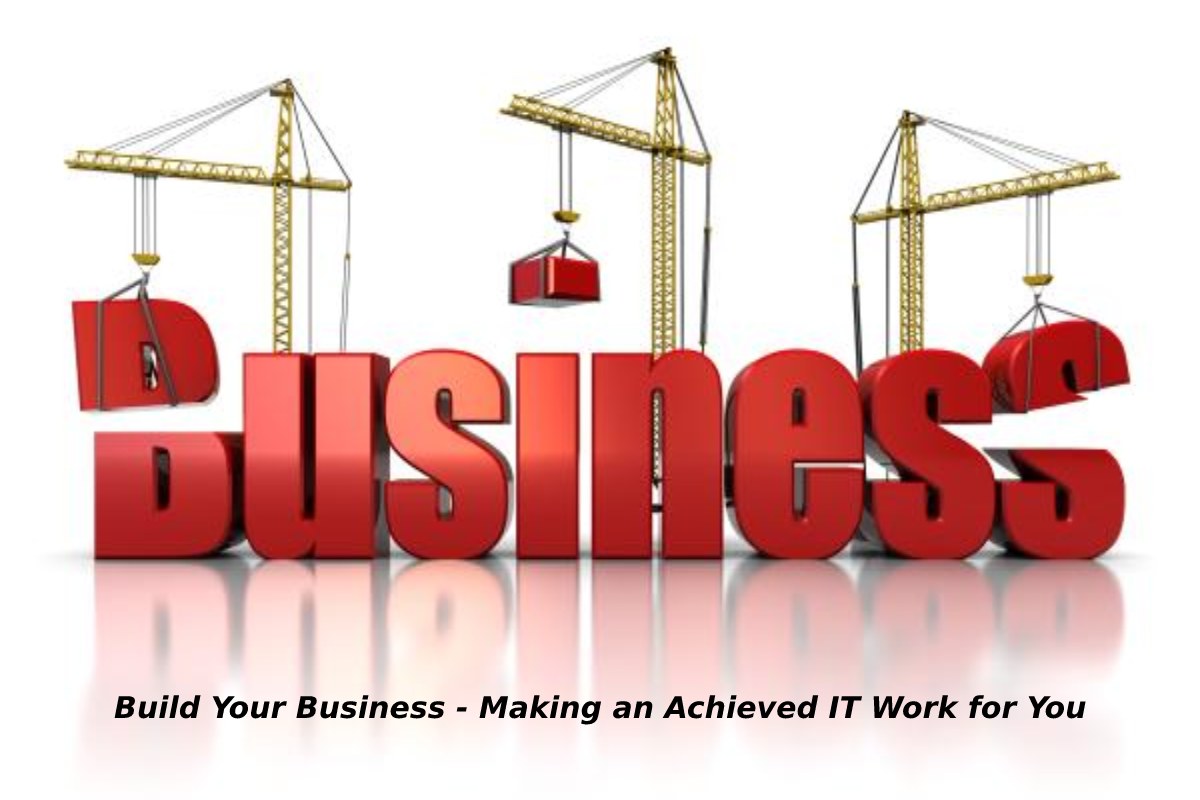
Build Your Business – If you run a business or work for a company. The chances are you are very familiar with information technology. It is including the problems that come with it. You can be an expert in your field or sector, and know-how technology is uses to power your business. But what do you do when that technology breaks or does something unexpecting, or is a new technology introduced? According to KPMG, digital acceleration is critical for businesses today. And it is something that all employees and business owners should consider.
In addition, every business owner should know all the right tools to use to make their business operations highly efficient. This means using the right software and tools, like the best stub creator, regularly to save time on many tasks. When used in conjunction with technology, business revenues will increase, and businesses will be drive to success.
Managed IT Solutions
While you spend a lot of time, energy, and money investing in technology and improving your knowledge to use Build Your Business. The most practical and effective solution for many companies is outsourcing responsibility. Adopting a managed IT solution makes sense not only in terms of ensuring you have suitable systems for the job but also in terms of time management. The time spent using, maintaining, and integrating technology without the right skills and knowledge to do so. That wants to adapt and thrive in a rapidly changing social and economic environment. You can hire a company to outsource the right staff for the responsibility, just like the German PEO available on GlobalPEO.
What is Managed Information Technology?
Managed IT isn’t just about the computers you use. It’s about bringing in experts who will analyze your current technology, processes, and functions, establish a system for its maintenance. And make suggestions for future improvements that will help your business run better. This costs money, but when you compare the costs with the savings. You will see in return, managed IT could be a good business idea.
Deciding which improvements deserve priority requires a wider business framework. Our guide to evaluating business strategies discusses resource fit, internal consistency, risk, and timelines, helping connect an IT proposal with the outcomes the organisation wants to achieve.
Common uses for managed IT services include helping to stay connected (determining the correct level of bandwidth and the right ISP), network monitoring and management, security, and disaster recovery. Recently, there has also been a massive push towards virtualization, with more people interacting with businesses remotely rather than face-to-face. Managed IT can also provide benefits for supply chain management, interaction with other companies (referred to as B2B, corporate world), marketing, media, and energy use.
Hardware choices should complement those support arrangements. Our article on matching business laptops to employee workloads examines role-based specifications, reliability, accessories, and reassignment, providing practical questions for reviewing whether the equipment being supported fits the work being done.
In short, while managed IT may seem like an add-on or “nice to have,” it can be a money-saving solution that will support your business to grow bigger and better. Taking the time to explore how your business can benefit from managed information technology. It can lead to more time to invest in building your business in areas that matter to you, both now and in the future.
Outsourcing decisions also arise outside IT, particularly when a project needs specialist creative skills. Our animation video agency selection guide discusses reviewing previous work, agreeing budgets, and understanding production stages, offering a separate example of assessing an external delivery partner.