
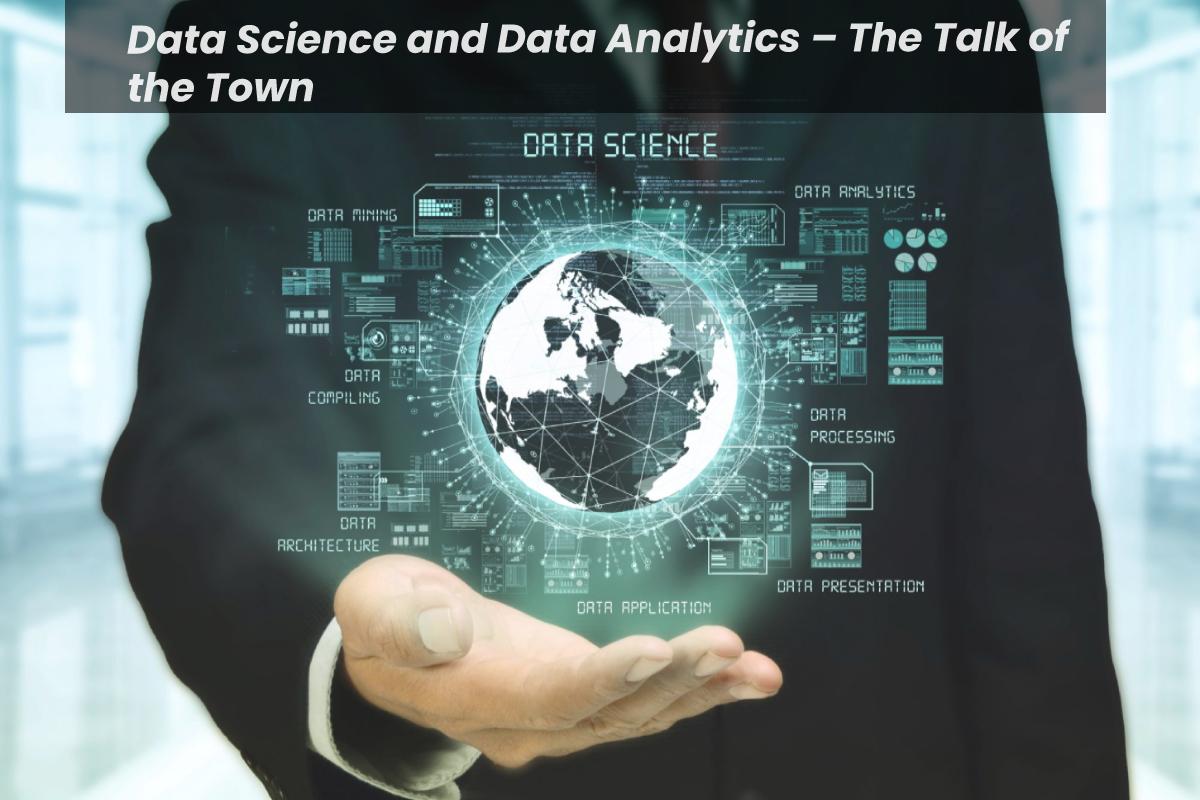
Data Science and Data Analytics – The professionals working in the tech field might often come across these two words, and often interchangeably: Data Science and Data Analytics. These terms might sound really similar, however; the actual meaning and functioning of these terms are quite different and differ in their implications on the business too. Let us understand the deeper aspects of these two particular terms and also know how a data science course and Business Analysis career might help your career to move ahead in the tech world. You can also advance your business analysis career with CBAP certification and nurture yourself with advanced business analysis skills with advanced tools.
Table of Contents
Data Science
Data science implies a broader platform which uses a variety of methods to extract data. It comprises a number of scientific methods, statistics and a variety of tools which help to analyze data. Any of the process or tool that might be used to modulate or analyze data might fall under this particular category. Data science shortens the gaps between data points and information to find aspects that might help to elevate the business. A data science course might have a lot to offer than any other particular course in the analytics field. Learn data science and data analytics with AlmaBetter’s data science certification program
What does a Data Science course provide?
- Detailed information on SAS and R.
- Hadoop
- Python Coding
- SQL Database
- Resolving unstructured data
AI-assisted writing provides another application to examine alongside search and advertising. This overview of an AI tweet generator discusses producing short-form content from prompts and examples. It offers a starting point for distinguishing the generation of text from the analytical work needed to evaluate that text’s usefulness.
Applications
- Search Engines: Search engines take the help of data science algorithms to provide the best of the search results as per the keywords mentioned.
- Advertisement: The whole of the digital marketing world depends on the data science algorithms, ranging from digital billboards to display banners.
Data Analytics
Data Analytics defines a specific field in the tech world that holds some tools and methods. However, data analytics is much more focused than data science. It is more specifically automated to provide an in-depth insight of specific areas. A data analytics service providers usually derive basic statistics, interpret data and communicate points for deriving conclusions.
. Data Analytics certifications will provide you knowledge of mathematical statistics and an understanding of PIG/HIVE to represent the relevant data to the company’s stakeholders.
What does Data Analytics Certifications provide?
- Programming Skills
- Machine Learning Skills
- Data Wrangling Skills
- Data Visualization
- Data Intuition
Practice projects need suitable data as well as analytical skills. For exercises involving person-shaped records, this overview of fictional identity data generators introduces possible sources of sample fields. Keep the dataset clearly labelled as synthetic, check its quality and avoid presenting conclusions from invented records as real-world findings.
Applications
Healthcare: Data Analysis has been really helpful in keeping a track of the quality of care being provided by the hospitals and continually improving it. It helps in optimizing the instruments, treatments and patient flow in the hospitals.
- Gaming: Gaming companies collect the insights of likes, dislikes, and other related gaming data to keep updating their programs to provide a better user experience to keep their company in profits.
- Energy Management: Optimized energy distribution, smart grid management, and other energy efficient management systems are being used by a number of corporations to monitor and keep a track on the energy utilization. Millions of data points are used to monitor the network performance by the analysis.
Applying these skills inside a company also requires ownership and a defined business problem. This guide to forming an internal AI task force discusses selecting participants, prioritising pilots and reporting measurable outcomes. It connects technical learning with the organisational work needed to put an experiment into practice.
In this emerging tech world, opting for any of the above-mentioned professions might guarantee you a successful future with a lot more to learn and a lot more to explore.