Nuclear Digital Power
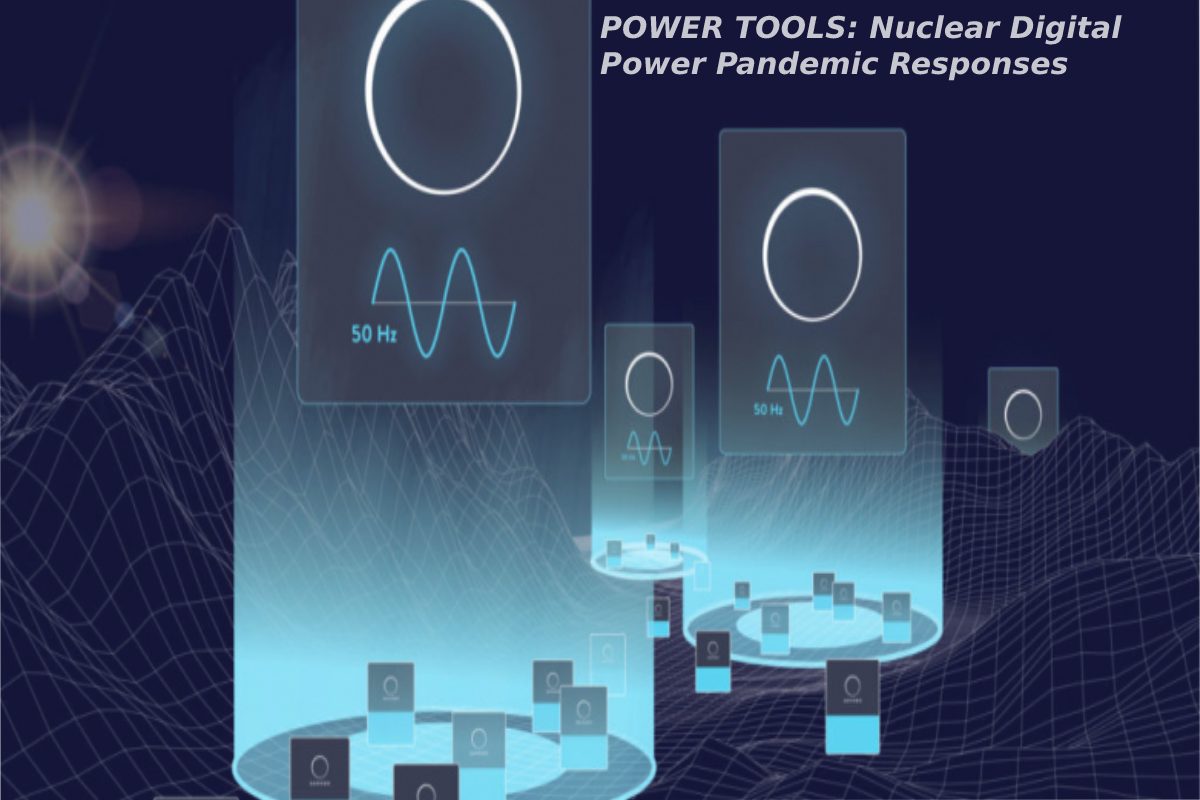
Nuclear Digital Power – Some nuclear power companies are launching connected worker solutions via a mobile digital system. This will allow workers to access remote experts, limiting their time on-site.
The digital system empowers utilities with the ability to reduce on-site personnel while at the same time providing on-site connections to essential resources many miles away. Not only does this mean fewer people in crews with direct or close constant, but these practices can also help optimize their performance.
Not every utility facility is constructed under the same parameters, so the system was developed to offer plenty of flexibility so that individual utilities can establish a system that works for them from the ground up or customize an existing “digital ecosystem.”
Features of Nuclear Digital Power
Some available features are designed to enhance workforce safety, and others allow for integration to other digital devices and platforms, which can assist in managing individual projects and entire workforces.
This “smart” technology can prove extremely valuable to the nuclear industry. Along with its ability to keep employees safe in these challenging times, the comprehensive nature of the safety monitoring and data analysis system can help plants improve their safety protocols while remaining cost-competitive. This connected worker technology has already proven to be an essential asset at several utilities during scheduled refueling outages.
Connected-worker systems are one specific application of a broader concept. This overview of technology, work and education discusses the relationship between tools and knowledge, providing general background separate from the engineering and assurance requirements of a nuclear facility.
Nuclear Energy Plants
Nuclear energy plants have remian designated as critical infrastructure due to their importance in the continuous operation of the power grid, which is vital to the effective pandemic response.
But as the coronavirus pandemic is predicted to generate infection spikes well into the fall and winter seasons, utilities have had to continue to adapt. The United States has 94 nuclear power plants that remian relied upon to provide reliable, carbon-free energy.
This past spring, COVID-19 created a significant challenge for efforts to refuel several atomic reactors across the country. Many valuable lessons were learn during that time. And also, they will need to be review and reemploy as the industry prepares to refuel another two dozen reactors.
The nuclear energy industry must minimize coronavirus spread during refueling. This is easier, said than done when considering that a nuclear plant is a hands-on workplace that employs hundreds of workers.
Nuclear Digital Power Technology
Also, during refueling, they bring in hundreds of more individuals for maintenance and inspections. Luckily, recent technological innovations have allowed nuclear service companies to operate remotely. However, many workers remian still required to handle on-site, forcing the industry to change specific scheduling shifts. This is to keep some employees together consistently in teams to reduce the chances of transmitting the virus.
In addition to the worker connection technology, plants have continued to employ basic. But still critically important changes to workflow protocols. Likewise, decontaminating the buttons and switches, remaining at six-foot intervals, and requiring masks on-site.
Final Words
It’s always critical to the success of nuclear operators that they can work together across the industry. And remote technology has to prove to be very valuable in this regard. From sharing information on how to screen visitors and workers to how best to use personal protection equipment. Finding a way to close the distance—particularly during the pandemic—has never been more critical.
Even when a plant is implementing teleworking, video meetings, or conference calling to connect their expert resources. Or else setting up screening points before people entering the plant, maintaining electric generating station condensate water at a very high purity level remains among the highest of priorities.
Fortunately, Graver has the experience and knowledge to address those concerns with an impressive array of innovative.
Separate Reading: Digital Careers
Operating industrial systems and communicating about them involve different expertise. This digital-marketing skills guide introduces content, analytics and audience communication, offering a separate career topic rather than qualifications for nuclear operations or safety-critical work.
Separate Reading: Commercial Design
For an unrelated commercial-design topic, this SKLUM furniture overview describes product categories and brand presentation. It concerns retail furnishings rather than equipment suitable for nuclear workplaces or the operational requirements of connected-worker systems.